
Articles

Mediterranean Diet and Degenerative Eye Diseases

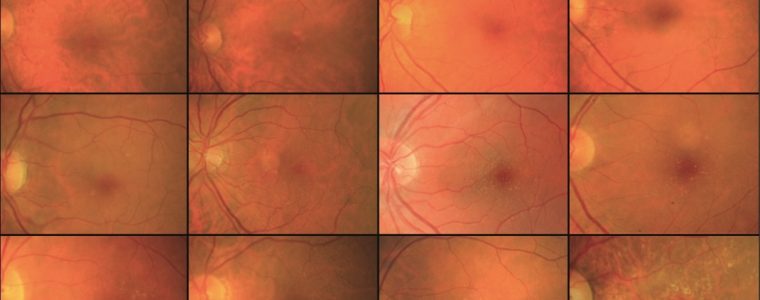
The Mediterranean diet, known for its health benefits, could play a crucial role in protecting our eyes from degenerative diseases. In a world where unhealthy eating habits and environmental pollution are extremely prevalent, eye diseases are on the rise. In addition to the expensive treatments available, prevention through a daily diet rich in essential micronutrients, such as vitamins and omega-3 fatty acids, proves to be a valuable strategy. Foods typical of the Mediterranean diet, such as fish, green vegetables and olive oil, are rich in substances with antioxidant and anti-inflammatory properties that support visual health. In this article, we examine how a balanced diet can help slow down degenerative eye diseases and improve quality of life.

The Mediterranean Diet: A Bit of History

On 16 November 2010 in Nairobi, Kenya, the Intergovernmental Committee of the Unesco Convention established the inclusion of the Mediterranean Diet in the Intangible Cultural Heritage List.

The Mediterranean Diet is actually much more than just a list of foods or a nutritional table, but rather constitutes a way of life, encompassing skills, knowledge, rituals, symbols and traditions concerning the cultivation, harvesting, fishing, breeding, preserving, cooking and above all the sharing and consumption of food.

In the Mediterranean basin, 'Eating Together' underpins the cultural identity and continuity of communities where the values of hospitality, neighbourliness, intercultural dialogue and creativity are combined with respect for the land and biodiversity.

The origin of the expression

The name 'Mediterranean Diet' was coined in the mid-1970s by American scientists Ancel and Margaret Keys to identify a traditional lifestyle they had discovered and studied in the Mediterranean since the 1950s. Their epidemiological research on cardiovascular diseases had revealed that the longevity of the populations of southern Italy, in particular Naples, Cilento and the rest of Campania, but also Calabria, Sardinia and the Marches, could be explained by dietary habits, social customs and local production. In their view, however, an easy-to-understand label was needed to simply identify a complex set of practices and traditions that deserved to be disseminated as they could guarantee high standards of health anywhere in the world, even to the less affluent classes. So the Keys relied on the association of the word diet, from the Greek diaìta meaning lifestyle, with the prestige of ancient Mediterranean civilisations.

General Benefits of the Mediterranean Diet

The Mediterranean Diet is rich in fruit, vegetables, whole grains, pulses and olive oil, with moderate consumption of fish and white meat. This diet helps reduce the risk of cardiovascular diseases, obesity and diabetes.

Monounsaturated fatspresent in olive oil improve the blood lipid profile. In addition, antioxidants in fruit and vegetables fight oxidative stress.

According to clinical studies, a Mediterranean Diet lifestyle is associated with increased longevity and reduced mortality rates. This eating style promotes healthy and active living in parallel with proper nutrition.

Important food components for vision

Scientific research has identified a number of nutrients that have been shown to have beneficial properties for the visual system.

1. Three carotenoids with high antioxidant power are particularly concentrated in the human macula: lutein, zeaxanthin e meso-zeaxanthin. The first two are contained in green leafy vegetables such as spinach, kale, chard and broccoli, but also in maize, basil, tomatoes, yellow vegetables such as pumpkin, green tea and many other vegetables, while the third is apparently formed in the macula from metabolic transformations of ingested carotenoids. Therefore, these substances belong to the group of nutritional interventions that can be put in place to prevent ageing, and eye diseases such as AMD.

2. The lycopene is a carotenoid that the human body is unable to synthesise and must, therefore, be ingested through the diet. The main source of lycopene is the tomato, from which we extract the largest amount of bioavailable lycopene, especially in the presence of olive oil. Therefore, fresh tomatoes should at least be left, if cut, in contact with olive oil as well as tomato juice if we want to enhance the lycopene they contain among the nutrients. Obviously, the bioavailability of lycopene increases to some extent in the tomato processed into puree, but especially in the tomato (as such or puree) cooked in the presence of oil and on a low heat. In very recent work for the first time, the efficacy of lycopene on ocular tissue in preventing both the inflammation and oxidative stress associated with diabetes and on tissue damage affecting the optic nerve has been significantly demonstrated.

3. L'astaxanthin is a carotenoid belonging to the class of xanthophylls, which is present in abundance in the human macula of the eye together with the already mentioned, lutein and zeaxanthin. Animal studies have shown that astaxanthin is able to cross the blood-brain barrier and, like lutein, is deposited in the mammalian retina. It is contained in certain foods, such as crustaceans, trout, shrimp, lobster and salmon (whose colouring is precisely due to the accumulation of astaxanthin), but also in the algae Haematococcus pluvialis which represents the greatest source of natural astaxanthin and is now cultivated on an industrial scale, including in Italy. Astaxanthin is a colouring agent and a powerful antioxidant for various tissues/organs. In particular, it plays an important role in protecting the eyes from UV light, the oxidation of essential polyunsaturated fatty acids and has an important anti-inflammatory action. A diet rich in carotenoids is therefore strongly recommended, and/or, where necessary, intervention with appropriate supplements that are definitely helpful for the general wellbeing and in particular for the health of the eye.

4. Omega-3 and omega-6 are polyunsaturated fatty acids, essential for a balanced diet. Omega-3 is mainly contained in fish, and along with omega-6 (of plant origin only) is also found in nuts, such as walnuts and hazelnuts, but especially in certain oils (omega-3 mainly in linseed and flaxseed oil; omega-6 in maize seed and sunflower oils, but also in olive oil, which is particularly rich in oleic acid, monounsaturated).

5. The vitamin A is found mainly in liver, eggs and milk, and in vegetables such as pumpkin, courgettes and carrots. The correct intake of vitamin A helps reduce the risk of developing retinal degenerative diseases.

6. Vitamin D 25-hydroxyvitamin D [25(OH) D] is a pleiotropic hormone that controls the expression of approximately 3,500 genes. There are two main forms: ergocalciferol (vitamin D2) and cholecalciferol (vitamin D3), the first of which can be acquired through food (salmon, oily fish, tuna, eggs), but only provides 20% of the requirement. The second, cholecalciferol, is mainly synthesised in the skin after exposure to ultraviolet light in a specific time slot (half an hour a day between 11am and 3pm). Vitamin D has beneficial effects on inflammation, autoimmune diseases, chronic and severe dry eye syndrome, which affects about 30% of the adult Caucasian population and about 60% of the adult Asian population, producing ocular and visual disorders, with inflammation and corneal and conjunctival abnormalities. This disease can occur at any age, but especially in the elderly who often have lower blood vitamin D levels. Therefore, it is now strongly recommended to monitor serum vitamin D levels in the management of dry eye in order to understand how to intervene with a supplement and the right dosage.

7. The vitamin C, or ascorbic acid, is mainly found in fruit (citrus fruits, kiwi, strawberries and blackcurrants) or vegetables (cabbage, spinach, tomatoes and potatoes). Vitamin C has a high antioxidant power, which counteracts free radicals, protecting the eyes against degenerative retinal diseases, glaucoma and playing a preventive role against corneal ulcers.

8. The vitamin E is a powerful antioxidant, found in large quantities in dried fruits (almonds, peanuts and pine nuts), as well as in dried apricots, sunflower seeds, legumes and green leafy vegetables.

9. The vitamin B groupin particular vitamin B1 (Thiamine), B2 (Riboflavin), B6, B12 and folic acid are very important for preventing degenerative eye diseases and ensuring the proper functioning of the eye muscles. They are present in cereals, milk, eggs, rice cuticle, brewer's yeast, nuts and peanuts.

10. I bioflavonoids are compounds that act on small vessels by increasing the resistance of the walls and are therefore used in vascular-type retinopathies, such as diabetic and hypertensive retinopathies. Bioflavonoids include anticianosides, contained in large quantities in citrus fruits and berries, especially strawberries and blueberries (which also contain a lot of vitamin C).

11. The phosphatidicolin o lecithin is a substance found abundantly in soya. It is considered for lipid-based therapies (liposomal sprays and emulsion drops) as interesting alternatives to water-based artificial tears, being more similar to the composition of the tear film. Such therapies improve signs and symptoms of dry eye: they alleviate symptoms immediately after topical administration and directly improve the structure of the lipid tear film, resulting in a more stable tear film. Furthermore, as cationic lipids possess anti-inflammatory properties, they could be considered for inflammatory states of the ocular surface.

12. Lo zinc is a powerful antioxidant that helps the body absorb vitamin A. It is an important nutrient that is involved in various physiological metabolisms. Zinc is present in ocular tissue in high concentrations, particularly in the retina and choroid. Zinc deficiencies have been shown to affect eye development, cataracts, age-related macular degeneration and even diabetic retinopathy. It is mainly contained in foods of animal origin and can be found in seafood, particularly in oysters, eggs, liver, beef and lamb.

13. The selenium has an antioxidant and cell-protective effect. It also promotes the absorption of vitamin E and the binding of iodine to thyroid hormones. We recommend dosing it to ensure that supplementation is not necessary. Selenium is found in sunflower seeds, seafood, fresh tuna, sardines, cod and nuts.

14. The copper and the manganese are minerals with antioxidant properties, beneficial to eye health. Copper is found in abundance in seafood, shellfish, legumes, nuts, chocolate, meat, whole grains. Manganese is found in green leafy vegetables, legumes, fruit, beets, whole grains.

Composition of the Mediterranean Diet

The Mediterranean diet is distinguished by its unique composition of fresh and varied foods. In this section, we will look at the key foods and their health benefits.

Key Foods and Nutrients

The main foods of the Mediterranean diet include:

  1. Olive oilrich in monounsaturated fatty acids.
  2. Blue fishsource of omega-3.
  3. Green leafy vegetablessuch as spinach and kale, rich in vitamins and minerals.
  4. Fruit fresh, an important source of antioxidants.

These foods not only satisfy the palate but also provide essential nutrition for overall health.

Antioxidant and anti-inflammatory properties

The foods of the Mediterranean diet are known for their antioxidant and anti-inflammatory properties. These properties help reduce the risk of chronic diseases and protect cells from oxidative stresses.

Polyphenols found in olive oil and berries are particularly effective in neutralising free radicals. These compounds can reduce inflammation and improve cellular health.

Regular supplementation of antioxidant foods in the diet can have positive effects on health, preventing premature ageing and improving quality of life.

Ocular Degenerative Diseases

Degenerative eye diseases pose a significant challenge to visual health. In this section, we will examine two of the most common conditions and their link to diet.

Diabetic Retinopathy and Oxidative Stress

The diabetic retinopathy is a complication of diabetes that affects the retina. Oxidative stress plays a crucial role in the progression of this disease.

Increased blood glucose levels can damage small blood vessels in the retina, leading to worsening vision quality and progressive vision loss. Antioxidants can help combat these degenerative processes.

A diet rich in fruit and vegetables, along with antioxidant supplements, combined with careful control of blood sugar levels and moderate physical activity, can improve retinal health and slow the progression of retinopathy.

Macular Degeneration and Carotenoids

The macular degeneration age-related is one of the main causes of blindness among the elderly. Carotenoids, such as lutein and zeaxanthin, are crucial in counteracting retinal degenerative processes.

These compounds are found in abundance in green leafy vegetables and maize. They help filter out harmful blue light and protect the macula from oxidation.

A regular intake of carotenoids can improve macular pigment density and reduce the risk of macular degeneration.

Nutraceuticals and Visual Health

Nutraceuticals offer a promising approach to improving visual health. In this section, we explore the role of micronutrients and xanthophylls in retinal protection.

Role of Micronutrients

Micronutrients are essential for visual function and eye protection. Among them, the vitamins A, C and Etogether with minerals such as zinc and selenium, play a crucial role.

These nutrients support retinal health and can prevent cell damage. A balanced diet that includes a variety of nutritious foods is essential for maintaining good eyesight.

Xanthophylls and Retinal Protection

Le xanthophylls are natural pigments that offer protection against eye damage. They are mainly found in foods of plant origin, such as maize and green vegetables.

These compounds are known to improve retinal health and reduce the risk of degenerative diseases. Recent studies suggest that supplementation with xanthophylls may improve visual function.

The retinal protection provided by these pigments is an example of how diet can positively influence ocular health.

Studies and Future Perspectives

Scientific research continues to explore new ways to improve visual health through diet. In this section, we discuss recent findings and nutritional recommendations for the future.

Recent Search Results

Recent studies have highlighted the potential of the Mediterranean diet in preventing eye diseases. Here are some significant results:

  • Risk reduction of macular degeneration among those following a Mediterranean diet.
  • Improved visual function with a higher intake of omega-3 and carotenoids.

These findings underline the importance of a balanced diet for eye health.

Nutritional Recommendations

To maintain good visual health, follow these nutritional recommendations:

  • Consume regularly foods rich in omega-3, such as fish.
  • Include in your diet green leafy vegetables for optimal carotenoid intake.
  • Choose olive oil as the main source of healthy fats.

By following these guidelines, you can improve your ocular health and protect your eyesight over time.

 C'è molto di più per te se ti iscrivi qui

Mandaci i tuoi commenti, le tue richieste e le tue proposte per arricchire i contenuti del nostro portale.

    This site is protected by reCAPTCHA. The conditions of use indicated in the Privacy Policy.


    Tutti gli articoli


    articoli che parlano di Retina