


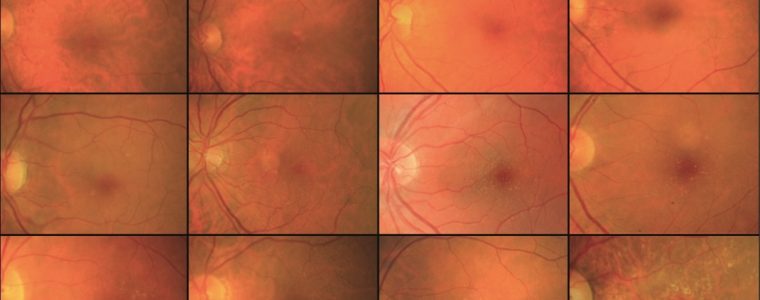

The month of March is dedicated to ocular well-being in the workplace, with the aim of promoting eye health and safety in clinical and surgical procedures.
The eyes are exposed to a number of hazards that are particularly common in clinical settings and that include liquid splashes, equipment fumes, and contact with irritating chemicals or vapours.
Risks to the eyes
Among the dangers that can threaten the eye, let us first consider possible splashes of biological liquids containing viruses such as HIV, herpes papilloma virus or hepatitis C virus. Those we have enumerated are certainly among the most dangerous pathogens that can enter the eye through the mucous membranes lining the ocular membranes.
This type of risk is particularly high during surgical or dental procedures, when cleansing and dressing wounds and during blood sampling.
The eye can be a source of systemic spread of infections through contaminated tears.
In the opposite direction, saliva droplets or atomised particles could spread infection to the eye if they came into contact with the conjunctiva. This contamination pathway was very evident in the case of the Sars-Cov-2 virus, which led to the COVID-19 pandemic.
Clinical evidence that mist particles can be a vehicle for infection when they come into contact with the eyes supports the need for protocols involving the use of protective goggles, with or without face protection, in many healthcare settings.
Healthcare workers performing emergency services, ambulance drivers or staff providing transport and cleaning services may also be exposed to contamination through the eye.
According to data from the American Academy of Ophthalmology (AAO) about 90% of these risks can be significantly reduced by wearing appropriate personal protective equipment.
Identifying eye hazards
Le chemicals used in laboratories and operating theatres are often acidic, caustic or in some way irritating. If splashed in the eyes, they can cause loss of vision, corneal burns and irritation. Chemical vapours themselves can irritate the eyes if unprotected. In fact, mist particles spread in the environment by dental drills, foggers, centrifuges and vacuum cleaners could reach the eyes and cause damage.
Also equipment and tools used by doctors, in particular surgical scalpels, syringes, dental chisels can cause eye damage if they accidentally hit the eyes or if the patient moves suddenly.
I laser beams can be dangerous for the eyes of ophthalmologists, who use them frequently to treat the eyes of their patients.
The unprotected human eye can be permanently damaged by direct or reflected rays. The ocular area that is affected depends on the wavelength of the incident laser beam. According to data collected by the Laser Safety Program at the University of San Diego (California), the retina, cornea and lens are the most frequently damaged areas.
Specifically, laser light in the visible to infrared spectrum (400-1,400 nm) could lead to retinal damage. Infrared A-rays pass through the cornea and the lens of the eye, which focuses them on a narrow area of the retina, thus concentrating the laser's radiant exposure more than 100,000 times. Since retinal tissue cannot be regenerated, laser-induced injuries can be permanent and are particularly serious when they affect the macula and fovea.
Laser light in the ultraviolet spectrum (180-400 nm) or in the far-infrared spectrum (1,400 nm-1 mm; e.g. carbon dioxide lasers: 10,600 nm) can damage the cornea and lens. Ultraviolet photochemical damage is caused by the absorption of ultraviolet (UV) radiation by sensitive portions of the corneal cells.
Excessive absorption of UV radiation can lead to photophobia, eye redness, tearing, discharge of secretions and a feeling of cloudiness.
Far-infrared radiation can also cause thermal damage through heating of the tear fluid and liquid component of the corneal tissues. Excessive exposure to infrared radiation results in loss of corneal transparency or irregularities in the ocular surface.
How to protect your eyes
Let us begin by emphasising the importance of choosing certified personal protective equipment.
The choice of the most appropriate eye protection then depends on the specific situation involving hazardous exposure and the visual requirements that must be met.
The right eye protection must be comfortable, ensure good peripheral vision and fit as well as possible.
The infectious risk
One must also consider the wide range of needs related to protection against the risk of infection.
Commonly used protective devices include:
- Protective goggleswhich fit the profile (eyes and forehead) perfectly, but are equipped with an anti-fog coating. The newer models of protective spectacles are designed to ensure good side vision and promote air circulation, preventing fogging problems. They are available in several sizes and many of them can be worn over normal corrective lenses.
- Facial protection, that also wrap around the top of the head and chin and fold behind the ears to prevent any leaked substance from reaching the eyes.
- Full-protection respirators, equipped with air purifiers to prevent the inhalation of pathogenic microorganisms through breathing.
Temporal spectacles or contact lenses are not in themselves suitable for protection against the risk of infection or chemical or mechanical damage to the ocular surface.
- Ocusafe. ANSI Z87.1 for healthcare professionals: a special focus; https://ocusafe.com/blog/ansi-z87-1-for-healthcare-professionals-a-special-focusPublished on June 18, 2025.
- Turbert D. American Academy of Ophthalmology. Eye injury protection. published April 14, 2014. https://www.aao.org/eye-health/tips-prevention/injuries-work
- University of California San Diego. Laser Safety Program: biological effects of laser radiation. Last updated: October 27, 2020. https://blink.ucsd.edu/safety/radiation/lasers/effects.html
- National Institute for Occupational Safety and Health (NIOSH). Eye protection for infection control. Published February 11, 2025. https://www.cdc.gov/niosh/index.html
- RightPatient. How to protect your eyes from laser treatments and procedures. Published October 13, 2025
 English
  Italian
  Spanish