


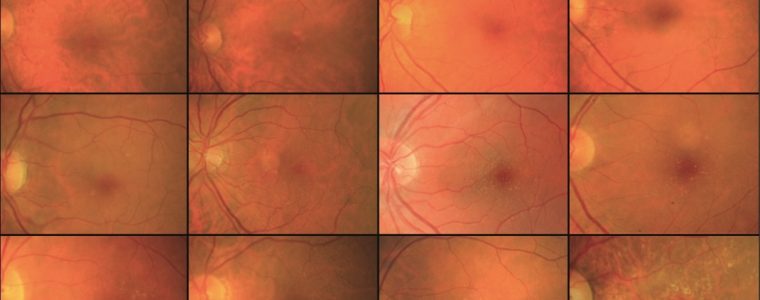

Antibody-drug conjugates are among the most innovative and promising treatments in the cancer therapy of many tumours. These effective antiblastic agents, however, are often accompanied by serious side effects and some of these can affect the eye. In this review we examine ocular adverse effects and the recommended ways to prevent them.
Drug conjugated antibodies
Drug-conjugated antibodies (ADC: Antibody Drug Conjugates) are targeted biopharmaceuticals that combine, via a stable molecular bond, monoclonal antibodies with potent anti-cancer substances, which may be cytotoxic chemicals, toxins from bacteria or plants (immunotoxins), radiopharmaceuticals.
They are administered through a mechanism designed to minimise cancer drug-induced damage to healthy cells with the antibody specifically recognising tumour cells, binding to their surface antigens and releasing the cytotoxic drug directly into the cancer cells. Through these modes of action, drug-conjugated antibodies can lead to improved results in cancer therapy, associated with reduced side effects and the possibility of overcoming drug resistance.
Mechanism of action
Phase 1: the antibody conjugate binds to the surface of the cancer cell
ADCs use monoclonal antibodies specifically designed to recognise and bind to individual antigens present on the surface of cancer cells. Each ADC is designed to match the antigenic profile of the specific type of cancer being treated, e.g. HER2 targeting in HER2-positive breast cancer.
Phase 2: the conjugated antibody is internalised into the tumour cell
After binding to the surface of the cancer cell, ADC is internalised by the latter through the process of endocytosis, mediated by receptors. The complex formed by the antibody and antigen is directed towards intracellular compartments, such as endosomes and lysosomes, thus preparing the ground for the next steps.
Phase 3: drug release into the cancer cell
In these intracellular compartments, the molecular bond, which acts as a bridge between the antibody and the cytotoxic drug, undergoes enzymatic or chemical cleavage. This cleavage releases the cytotoxic drug from its carrier antibody with a controlled release of the drug within the cancer cell, preserving healthy tissue from unnecessary exposure.
Phase 4: The drug causes the death of the cancer cell
Once released, the cytotoxic drug goes into action, interfering with vital cellular processes such as DNA replication or microtubule assembly, thus preventing the cancer cell from dividing and developing. Most of these cytotoxic drugs are effective even at low concentrations, enabling therapeutic success with less toxicity.
Tumours treated with ADC
ADCs are used in the treatment of solid tumours and blood neoplasms. They are currently used in the treatment of lymphomas, such as large B-cell lymphoma (the most frequent form of non-Hodgkin's lymphoma), relapses or stages 3 or 4 Hodgkin's lymphoma. They are also a resource in the treatment of leukaemias, from lymphoblastic leukaemia to myeloid leukaemia in adult and paediatric patients, refractory or relapsed multiple myeloma, and triple-negative and HER2-positive metastatic breast cancer. They have also been authorised in the treatment of urothelial carcinoma and recurrent or metastatic cervical cancer
Authorised conjugate antibodies
Below are some examples of antibody-drug conjugates currently used in cancer treatments.
- Ado-trastuzumab emtansine (Kadcyla® from Genentech/Roche) targets HER2 and has demonstrated efficacy in the treatment of HER2-positive breast cancer.
- Brentuximab vedotin (Adcetris® from Seattle Genetics/Seagen) is an ADC targeting CD30 that has demonstrated efficacy in Hodgkin's lymphoma, systemic anaplastic large cell lymphoma and other CD30-positive lymphomas.
- Polatuzumab vedotin (Polivy® from Genentech/Roche) is designed to target CD79b in the treatment of diffuse anaplastic large B-cell lymphoma
- Trastuzumab deruxtecan (Enhertu® from Daiichi Sankyo and AstraZeneca), was effective in HER2-positive breast cancer and gastric cancer.
Currently, about 12 ADCs have received marketing authorisation and around 90 are in clinical trials worldwide.
The criticalities of ADCs
Critical aspects of ADCs include, first of all, the possible development of resistances. Cancer cells can, in fact, acquire mechanisms to avoid or eliminate ADCs, reducing their effectiveness over time.
In addition, several cancer cells can express levels variables of antigenswhich may limit the effectiveness of ADCs targeting tumour type-specific antigens.
Given the cytotoxic nature of the pharmacological component, if imperfect selectivity were to occur, off-target effects would result, with damage to healthy cells and subsequent adverse reactions.
The toxicity of the drug may impose limits on the maximum dose that can be administered, which may have an impact on the effectiveness of the treatment locally.
Systemic adverse effects have been reported:
Forms of systemic toxicity including infusion site reactions, 'fatigue' (feeling of asthenia and exhaustion) and gastrointestinal symptoms (nausea), haematological side effects such as neuropathy, thrombocytopenia, febrile neutropenia, lymphopenia and anaemia.
In this context, the ocular toxic effects deserve specific attention.
ADC and ocular toxicity
Ocular toxicity is a frequent problem in ADC treatments, especially those used against solid tumours. Toxic effects can range from mild irritation to serious visual problems. Common side effects include dry eye, blurred vision, keratitis, conjunctivitis and corneal microcysts. Blurred vision is by far the most common symptom, but some patients may also experience reduced visual acuity or double vision. Rare cases of serious eye problems such as optic neuropathy or cortical blindness have been reported.
The severity of ocular adverse effects may lead to the need to modify the treatment protocol or discontinue it altogether. In general, ADCs targeted at solid tumours are more frequently associated with ocular toxic effects than those used for blood cancers.
The ADCs for which the highest ocular toxicity was reported were enfortumab vedotin, tisotumab vedotin, trastuzumab emtansine and belantamab mafodotin. Tisotumab vedotin demonstrated by far the highest ocular toxicity, with 36% of patients suffering from severe dry eye.
The average onset time of ocular adverse effects varies depending on the specific drug, with enfortumab vedotin having the shortest onset time of about 12.5 days.
The prevalence of ocular adverse effects varies from 20 to 90%, depending on the specific chemotherapeutic agent administered and the individual patient's condition.
The mechanism by which ocular toxicity is determined includes instability of the binding molecule that may lead to premature release of the toxic agent, a bystander effect involving antigen-negative target cells, and non-specific uptake of ADC components by corneal epithelial cells.
The toxic effects of ADCs may also include an aggravation of refractive errors such as myopia, hypermetropia, astigmatism and presbyopia, and even promote cataract formation.
Strategies for preventing ADC-related toxicity
Optimising the management protocol of ADC therapy is essential to balance efficacy and safety. Careful selection of target, antibody, cytotoxic load and binding molecule play a critical role in determining therapeutic potential, and their modulation can enhance treatment tolerability.
The binding molecule must be sufficiently stable to prevent premature release of the cytotoxic drug into circulation and instead ensure effective loading during internalisation into the target cell.
In clinical trials, optimising dose and treatment scheduling can enhance the safety of ADCs. Dose-capping, fractionated administration and limitations in treatment duration are helpful in reducing toxicity.
Innovative approaches such as strategy INTACT (Indirect Active Targeting), aim to exclude interactions with non-target sites and ensure on-demand release at target sites for competitive binding.
Finally, identifying predictive biomarkers of ACD-related toxicity may allow better patient selection and risk stratification.
By combining all these measures, it will be possible to improve security and make ADCs a more effective and tolerable trtation.
-
- Maecker H, Jonnalagadda V, Bhakta S, Jammalamadaka V, Junutula JR. Exploration of the antibody-drug conjugate clinical landscape. MAbs. 2023;15(1):2229101. doi: 1080/19420862.2023.2229101PubMedGoogle Scholar
- Farooq AV, Degli Esposti S, Popat R, et al. Corneal epithelial findings in patients with multiple myeloma treated with antibody-drug conjugate belantamab mafodotin in the pivotal, randomised, DREAMM-2 study. Ophthalmol Ther. 2020;9(4):889-911. doi:1007/s40123-020-00280-8PubMedGoogle Scholar
- Lindgren ES, Yan R, Cil O, et al. Incidence and mitigation of corneal pseudomicrocysts induced by antibody-drug conjugates (ADCs). Curr Ophthalmol Rep. 2024;12(2):13-22. doi:1007/s40135-024-00322-5PubMedGoogle Scholar
 English
  Italian
  Spanish